
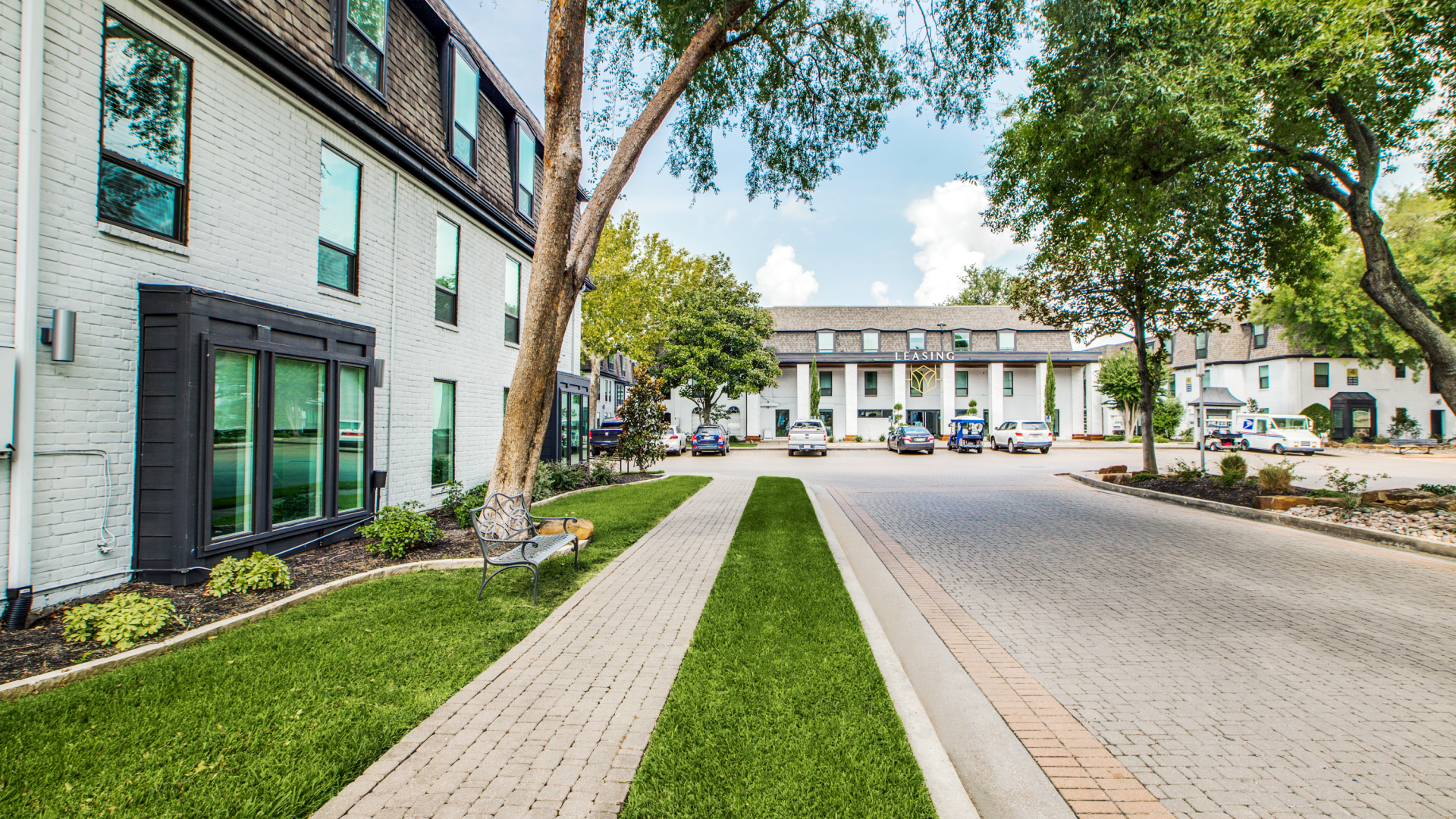

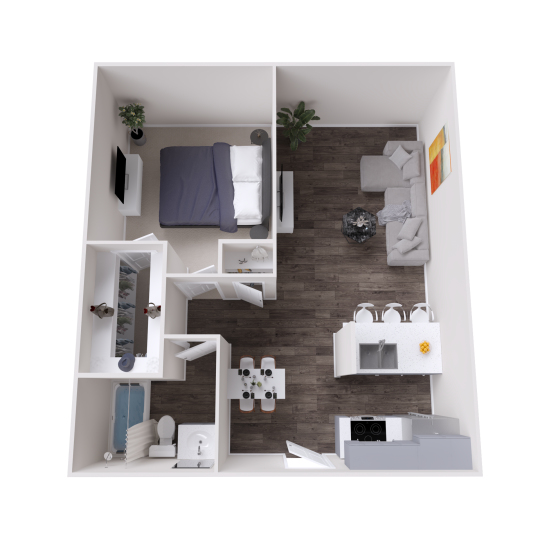
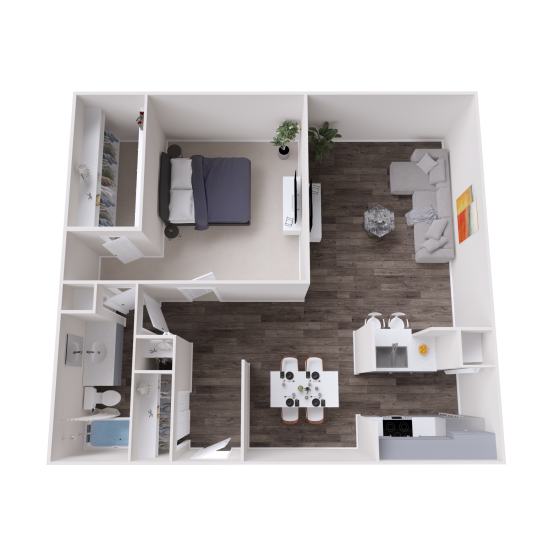
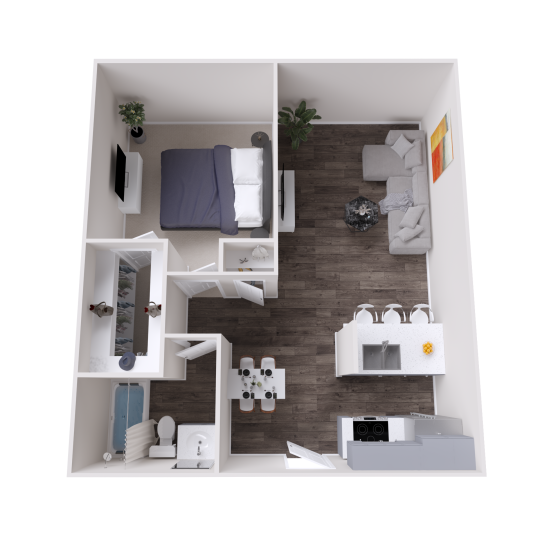
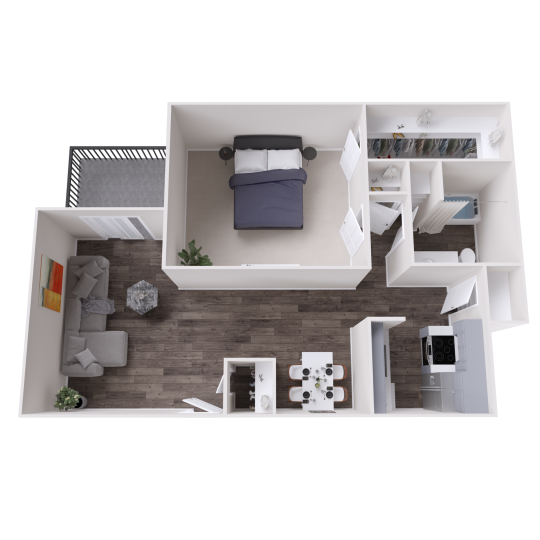
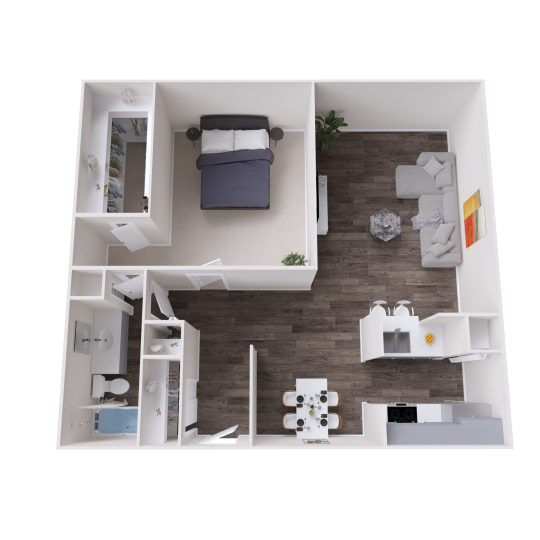
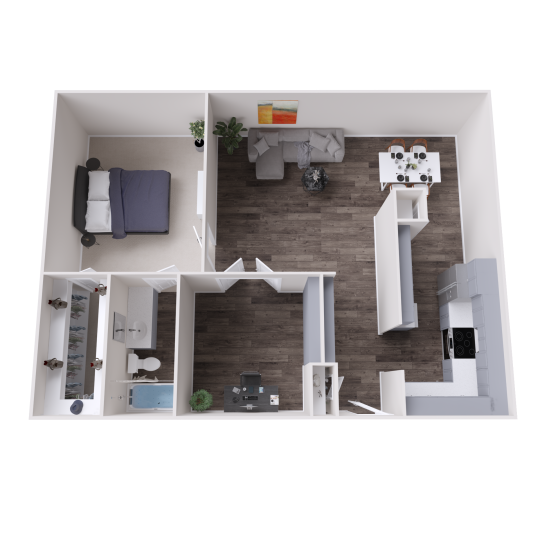
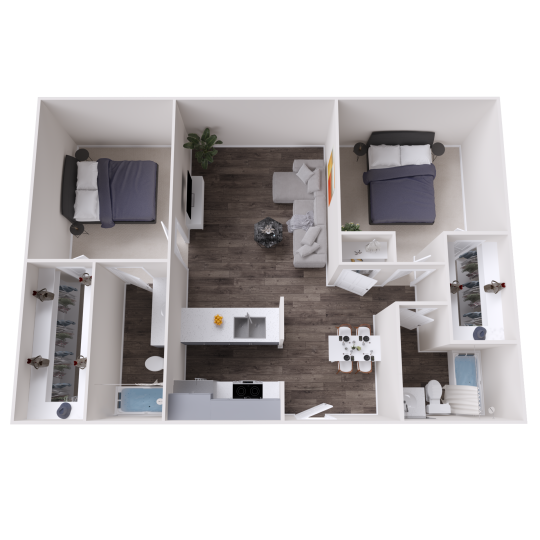
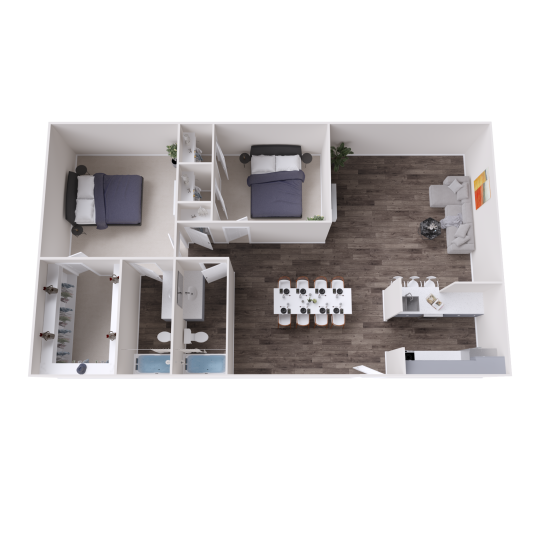
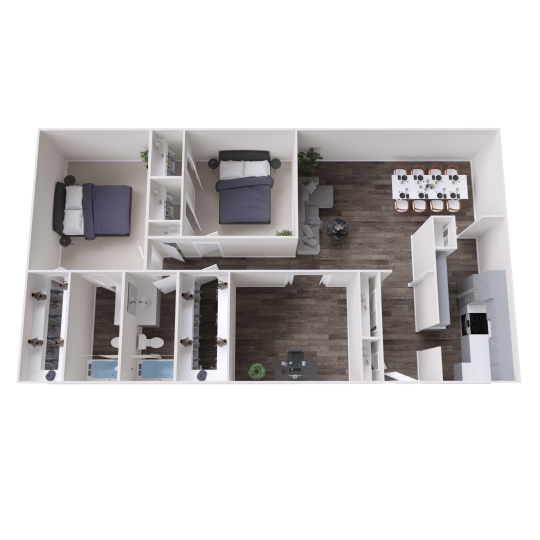
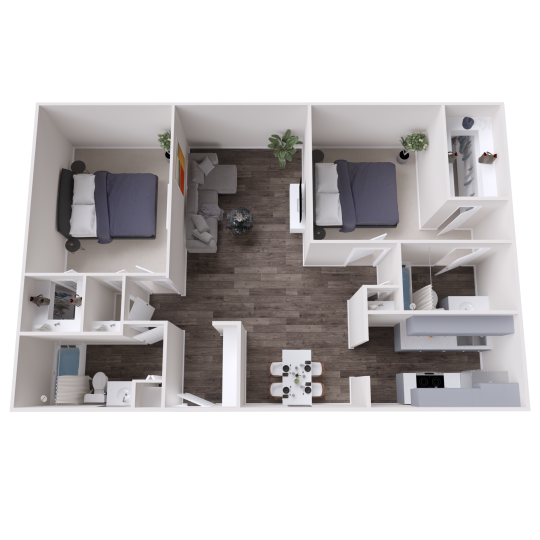
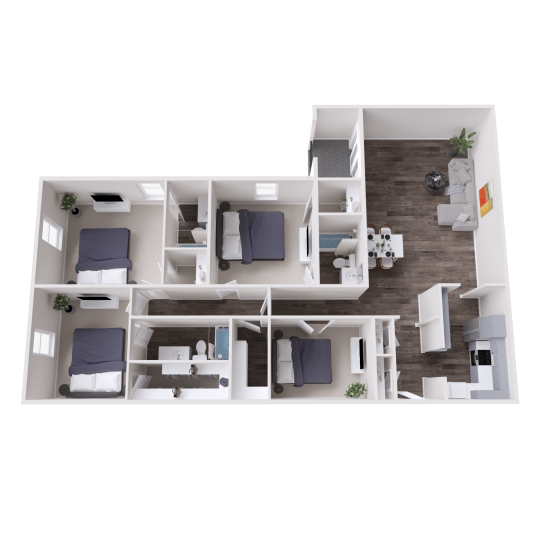
If you are looking for studio apartments near Texas Medical Center in Houston, the key question is not just whether a community sits southwest of the medical campus, but whether the location and floor plan fit the way you commute and live. Weston, at 7510 Brompton Road in Houston, is in the broader Medical Center area, and its current studio floor plan is listed as the E1 at 607 square feet, but you should still verify your exact route to the specific hospital, clinic, lab, or school building where you need to be each day.
That matters because Texas Medical Center is not a single office address. It is a large district made up of major hospitals, research institutions, medical schools, parking facilities, and internal shuttle and pedestrian connections, so the difference between being near the district and being near your actual destination can meaningfully change your routine.
What “near Texas Medical Center” really means for renters
Texas Medical Center is one of the largest medical districts in the world, and daily life there depends heavily on which institution you are tied to. A renter working at Houston Methodist may have a different arrival point, parking garage, or walking segment than someone at MD Anderson, Texas Children’s Hospital, Memorial Hermann-Texas Medical Center, Baylor College of Medicine, or UTHealth Houston. When comparing apartments, look up your exact workplace or campus building instead of judging the area by one central map pin.
It also helps to think beyond straight-line proximity. In the Medical Center, a commute can include driving, garage entry, a shuttle, a walk between buildings, or a transfer to METRORail. Even when two apartments look similarly close on a map, one may fit your day better because it reduces a stressful last segment, especially if you report before sunrise, leave after dark, or carry equipment, meals, or scrubs.
For many renters, the real appeal of a studio is efficiency. A smaller layout can lower total monthly housing cost compared with larger floor plans, while also reducing cleaning and furnishing demands for residents whose lives already revolve around long shifts, call schedules, classes, or clinical rotations. At Weston, the listed studio, E1, is 607 square feet, which is notably larger than what many renters picture when they hear “studio,” so it may be worth reviewing the floor plan carefully to judge whether the open layout suits your storage and work-from-home needs.
Another useful reality check is neighborhood function. The Medical Center area blends hospitals, university facilities, apartments, traffic corridors, and nearby districts such as Braeswood Place and areas connected to Rice Village, NRG Park, and central Houston. That makes access potentially strong for many destinations, but it also means your day-to-day experience depends on where you enter the district, where you park, and how much time you spend on the road during peak hours.
How to evaluate the commute from Weston
Weston’s address on Brompton Road places it in southwest Houston, in an area renters often consider when they want reach to Texas Medical Center without living inside the densest part of the district. The most practical way to judge the fit is to test the commute at the times you will actually travel, such as an early clinical shift, an 8 a.m. lab start, or an evening hospital handoff. Use your exact destination, not just “Texas Medical Center,” and compare drive, transit, and rideshare options.
If you plan to drive, verify not only the route but also the parking chain at your destination. Some TMC institutions rely on employee garages, visitor garages, remote lots, or institution-specific parking programs, and that can affect how much value you place on having parking at home. Weston lists reserved covered parking and a parking garage, which may matter if you want more predictability before and after long shifts, but availability and any related terms should be confirmed directly with the leasing team.
If transit is part of your plan, check METRO’s current bus and METRORail options from this part of Houston to your building. The Red Line serves the Texas Medical Center area, and many commuters combine bus, rail, walking, or employer transportation. Because routes, stop locations, and schedules can change, it is best to verify current service on METRO’s official trip planner and then test the trip during the hour you expect to travel.
It is also smart to account for irregular schedules, which are common in health care and graduate education. A route that seems easy at midday may feel different after a night shift, during a weather event, or when you need to get home quickly to rest. In those cases, on-site features like controlled access gates and buildings, elevator access, and 24-hour emergency maintenance may be relevant to your decision, not as selling points by themselves, but because they can support a more manageable routine when your hours are not typical.
Whether a studio at Weston makes sense for TMC routines
A studio can be a strong fit for a renter whose priority is simplifying life near a demanding work or school schedule. If you spend most of your week at the hospital, clinic, classroom, or lab, a one-room layout can be easier to maintain and furnish. At Weston, the listed studio is larger than many entry-level studios in Houston, so the question is less about whether you can physically fit basic furniture and more about whether you prefer an open plan over the separation of a one-bedroom.
For Texas Medical Center renters, another important factor is where work continues after hours. Weston lists a full service business center with high-speed internet access, copier printer access, and a conference room, plus high-speed internet availability in residences. That may help residents who need a place to handle charting-related study, research, telehealth support work, or coursework outside the apartment itself. If you rely on these spaces, ask how residents access them and whether there are any posted hours or reservation rules.
Daily recovery time matters too. Medical staff, students, and researchers often look for practical decompression options close to home, especially when the workday is physically or emotionally intense. Weston lists a state-of-the-art fitness center, five resort-style swimming pools, picnic and grilling areas, and professionally landscaped grounds. Those details are relevant because they can reduce the need for extra errands or a separate gym membership, which may be useful when your schedule is tight.
If you have a pet, think about that routine honestly before choosing a studio. Weston is pet-friendly and lists a dog park, which can be meaningful for residents trying to balance long shifts with dog care, but pet policies, fees, and any breed or weight restrictions should always be confirmed directly before applying. If you are considering a specific apartment home, also confirm any starred features, such as full-size washers and dryers, private patios and balconies, wood-style flooring, built-in desks, or sun rooms, because those are available in select homes rather than guaranteed in every layout.
The final trade-off is simple: a studio can help you stay close to the part of Houston that supports a Texas Medical Center routine, but only if the exact apartment, route, and daily logistics line up with your real schedule. Before you decide, map your exact destination, test the commute at your actual work or class hour, and then ask Weston whether the E1 studio or another available floor plan matches the features you need most.